19 April 2026
Hair Loss from Braids, Weaves and Wigs: How to Recover
Protective styles can cause traction alopecia and edge loss. Here's a South African guide to recovering hair lost to braids, weaves and wigs - including the ReviveLine routine.
If you wear braids, weaves or wigs regularly, you’ve probably noticed your hairline is not as full as it used to be. You’re not alone - traction alopecia is one of the most common causes of hair loss in South African women. Here’s how to recover.
What is traction alopecia?
Traction alopecia is hair loss caused by repeated pulling on the follicle. Over time, the constant tension damages the follicle, slows growth and eventually shuts it down. The classic signs are:
- Thinning along the hairline and temples
- Recession of the hairline (it moves backwards)
- Bumps, soreness or redness after installs
- Hairs breaking off at the edges
- Slower regrowth than the rest of your hair
The good news: caught early, it’s almost always reversible.
Why protective styles cause damage
It’s not the style itself - it’s the tension and the time. Tight installs, glue, heavy extensions and back-to-back styles never give your scalp a chance to recover. The hairline is the most fragile area on the head and the first to suffer.
The recovery routine
1. Reduce tension immediately
- Loosen your next install. Tell your stylist clearly: “no tension on the edges”.
- Avoid glue, lace fronts and heavy weaves until the hairline recovers.
- Take a 2-4 week break between protective styles.
- Sleep on a satin pillowcase or bonnet.
2. Stimulate the follicles
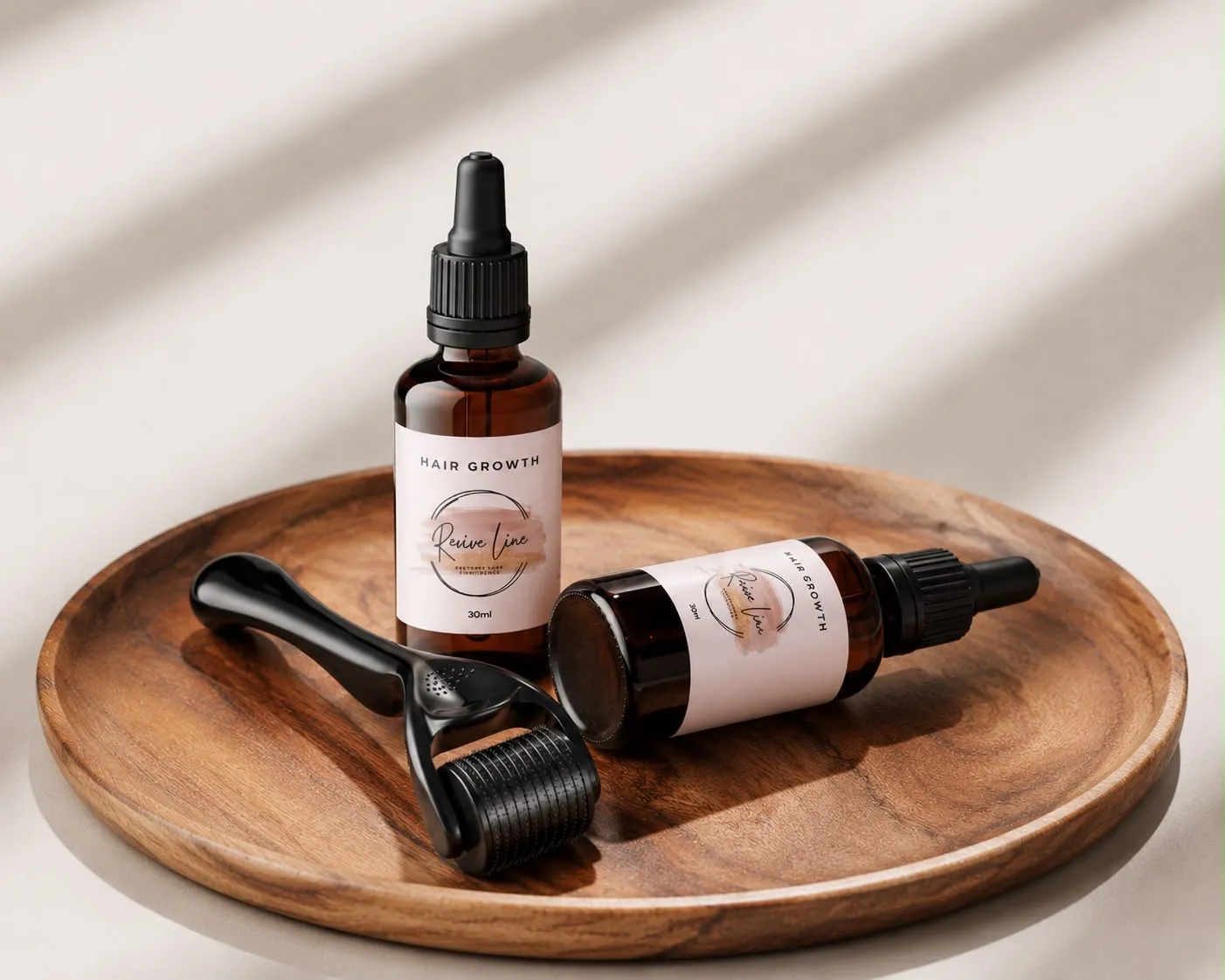
Use the ReviveLine Derma Roller once or twice a week to wake up dormant follicles and improve blood flow to the hairline.
3. Apply Minoxidil 5% daily
The ReviveLine Growth Oil combines Minoxidil 5% with castor oil and rosemary oil. Apply 3-5 drops to the hairline and any thinning patches twice daily.
4. Be patient
Most South African women see baby hairs in 4 to 8 weeks and a meaningfully fuller hairline by 12 to 16 weeks - if they stay consistent.
When to see a professional
If you’ve been consistent for 4 months without change, or if you see scarring, bald patches with shiny skin, or sudden hair loss elsewhere, see a dermatologist or trichologist. Scarring traction alopecia needs medical care.
A new relationship with protective styles
Protective styles aren’t the enemy - tension is. With a softer install, regular breaks and the ReviveLine routine, you can keep enjoying braids, wigs and weaves while your hairline recovers and stays strong.
Frequently Asked Questions
Can hair loss from braids grow back?
In most cases, yes. As long as the follicle isn't permanently scarred, traction alopecia is reversible with consistent scalp care, reduced tension and a topical regrowth treatment like Minoxidil 5%.
How do I know if my hair loss is from tension?
Tension-related hair loss usually shows along the hairline, edges, temples, nape and parting lines - exactly where braids and weaves pull. The skin may also be tender or have small bumps.
What's the safest protective style?
Loose styles with no glue, no tight tension, and breaks of 2-4 weeks between installs. Always tell your stylist if any section feels too tight.
Will ReviveLine work while I'm wearing a wig or weave?
Yes. Apply the Growth Oil directly to the hairline and accessible scalp daily. Use the Derma Roller in between installs when the natural hair is out and clean.
Ready to Restore Your Confidence?
Start your hair growth journey today. Order via WhatsApp, online, or on Takealot.